

A chilling narration has taken over social media and video platforms. This voice is deep and gravelly, with a menacing tone. It seems to be everywhere.
It’s called the Evil Larry AI voice. It’s used for creepy storytimes, dark humour, and unsettling content. Its sudden rise makes it a big online hit.
So, why does this voice grab our attention? It’s more than just a novelty. The voice has a unique weight and villainy that feels both fake and fascinating.
This article looks into the cultural and tech trends behind the viral AI voice. We’ll see why a sinister voice is so appealing in today’s digital world.
Meeting Evil Larry: The Internet’s New AI Nemesis
The internet has welcomed a new AI voice, and it’s not friendly. Dubbed “Evil Larry,” it sounds like it came from a haunted data centre. It’s the opposite of the usual AI voices we know, becoming the go-to for dark, absurd, and funny content.
What Is the Evil Larry AI Voice?
Evil Larry is a unique output from AI text-to-speech engines. It’s not a single voice but a mix of settings that create a menacing tone. By using certain tools, users can generate this voice, perfect for creepy AI narration.
The Distinctive Sinister Qualities Listeners Describe
People hear more than just speech with Evil Larry. They notice a gravelly quality that sounds aged or corrupted. It’s as if the voice has been through something.
The voice’s rhythm is also unique. It pauses unexpectedly and rushes through other parts. This unnatural prosody makes it sound unlike human speech. The pace is slow, giving each word a heavy, ominous feel.
The voice’s tone is perhaps its most defining feature. It carries a hint of smugness, condescension, or malevolence. It doesn’t just state facts; it seems to enjoy them, making it perfect for dark or ironic content.
“It sounds less like a tool and more like a horror movie villain who’s just discovered the internet.”
Many describe it as “digitally smug,” blending its synthetic origin with an arrogant personality. This mix makes the voice compelling for parody and horror. Evil Larry shows that creepy AI narration works by being subtly unsettling, not loud or aggressive.
Tracing the Origins of the Evil Larry AI Voice
Before it became a viral sensation, Evil Larry was just code in a vast AI library. It evolved from a simple digital tool to a symbol of AI voice trends. This journey shows how the internet transforms technology. We explore its technical beginnings and the online moments that sparked its fame.
The Source: From Generic TTS to Viral Villain
Online sleuths believe Evil Larry started as a standard text-to-speech TTS engine. These systems were made for clear speech. But, they became the base for this viral sensation.
It’s thought that creators tweaked a neutral male voice. They lowered the pitch and slowed the speech. This made the voice sound unnatural and a bit menacing.
This transformation turned a useful tool into something eerie. It went from just reading words to doing so with a sinister tone. This shift is key to the evolution of AI voice trends.
The First Wave: Where and How It Surfaced Online
The voice needed a platform to start. It first appeared in short videos and forums in late 2023. TikTok and YouTube Shorts were key, with their fast-paced style fitting the voice perfectly.
At first, it was used for creepy stories or funny takes on everyday life. A video of “Evil Larry” narrating a corporate video or a children’s story was a hit. It mixed the dark tone with innocent content, making it instantly shareable.
Reddit, with its horror and AI tech communities, helped spread it. People shared their finds, discussed its origins, and named it Evil Larry. This community effort turned it from a joke to a trend.
The rise of Evil Larry shows how platforms work together. A TikTok clip would get attention, then be analyzed on Reddit, and remixed on YouTube. This journey made Evil Larry a lasting part of text-to-speech TTS memes.
Deconstructing the Sinister Sound: The Technology Behind It
The eerie sound of Evil Larry isn’t magic. It’s the result of advanced artificial intelligence and audio tricks. We explore how neural networks, digital signal processing, and creative tweaks turn text into unsettling speech.
Fundamentals of AI-Powered Text-to-Speech
Today’s text-to-speech (TTS) systems are far from the old robotic voices. They use deep learning models, mainly neural networks, trained on huge datasets of human speech. These models learn the patterns of language, making the audio sound natural and fluid.
The process has two main stages. First, a text analysis module changes written words into phonetic and linguistic forms. Then, a neural vocoder turns this into raw audio. The result is speech that sounds surprisingly human.
Voice Cloning and Synthesis Techniques Employed
To create a voice like Evil Larry, engineers use voice cloning technology. They train a model on a small dataset of the target voice, often just a few minutes. The model captures the speaker’s unique sound, known as the timbre or voiceprint.
Key techniques include:
- Speaker Encoder Networks: These isolate the core sound of a voice, separating it from the words being spoken.
- Transfer Learning: A pre-trained TTS model is fine-tuned with the target voice data, adapting its output.
- Waveform Generation: Models like WaveNet or HiFi-GAN produce high-fidelity audio, adding realistic breath and subtle noise.
“The power of modern voice cloning lies not in mimicking words, but in capturing the essence of a vocal identity—its texture, its quirks, its emotional range—and then bending it to a new purpose.”
Engineering the “Evil” Vibe: Pitch, Pace, and Prosody
Starting with a cloned or synthetic voice, Evil Larry’s creators made deliberate audio changes. These adjustments target the core parameters that make us feel threatened or uneasy. It’s like digital vocal costume design.
A Technical Breakdown of Its Unsettling Characteristics
The chilling effect of Evil Larry is not accidental. It’s the result of altering specific acoustic features. The table below shows how the Evil Larry voice differs from standard TTS output.
| Acoustic Feature | Standard TTS Output | Evil Larry Manipulation | Perceived Effect |
|---|---|---|---|
| Fundamental Pitch (F0) | Mid-range, average adult male. | Significantly lowered, often into a deep, resonant bass. | Conveys dominance, menace, and a sense of looming presence. |
| Speech Rate (Pace) | Steady, conversational speed. | Deliberately slowed, with elongated vowels and pauses. | Creates tension, feels deliberate and predatory; commands attention. |
| Vocal Quality | Clear, smooth phonation. | Digital addition of vocal fry, slight distortion, or gravelly texture. | Evokes age, wear, or a supernatural, corrupted quality. |
| Prosody (Intonation) | Natural rising/falling patterns for questions and statements. | Flattened or unnatural stress patterns, with unexpected pitch glides. | Triggers the Uncanny Valley; sounds almost human, but ‘off’. |
| Articulation | Crisp consonants and vowels. | Slightly slurred or over-enunciated syllables for dramatic effect. | Adds a layer of character, suggesting malice or otherworldliness. |
Lowering the pitch is a simple yet effective trick. Most TTS software lets you control the fundamental frequency directly. Slowing the pace digitally also changes the listening experience. The real artistry is in prosody manipulation—programming the AI to stress unusual words or use a monotonous cadence.
This technical guide shows Evil Larry is more than a funny voice. It’s a study in how voice cloning technology can create a specific emotional impact. The tools of voice synthesis provide the palette; human creativity chooses the dark shades.
The Viral Catalyst: Memes, Trends, and Key Moments
Virality in today’s world often follows a set pattern. But the Evil Larry AI voice broke this mold. It spread thanks to a mix of algorithms, creativity, and shared laughs. This part looks into how this voice became a big hit online.
Platform Takeover: TikTok, YouTube, and Reddit
TikTok was the perfect place for Evil Larry to start. Its short videos and clever algorithms made it easy to catch people’s attention. The duet and stitch features let people keep the voice alive in new ways.
YouTube was where people could dive deeper. Videos with the best Evil Larry moments got millions of views. People also made videos about its history and tech, making it more than just a trend.
Reddit, on the other hand, was for discussions. Fans shared new finds and theories. This made the voice a big part of online culture across different platforms.
There were certain types of videos that worked really well. These templates were easy to follow, letting many creators join in. They are the heart of the AI voice memes craze.
- Distorted Historical Footage: Putting the voice on old videos to make them seem sinister.
- Sinister Life Advice: Giving everyday tips in a creepy way, making fun of self-help.
- Parody “Documentary” Voiceovers: Telling silly or normal stories in a serious documentary style.
These types of videos gave creators a framework. They could add their own twist, keeping the content fresh and fun.
Creator-Led Amplification and Community In-jokes
While the types of videos mattered, certain creators were key. They used the voice well and early on. This encouraged others to join in.
The community grew through inside jokes and hashtags like #EvilLarry. Fans loved making fun of the voice and sharing it. This made them more than just listeners; they became part of the story.
This teamwork between creators and fans made Evil Larry more than just a voice. It became a character in digital stories, owned and loved by its audience.
The Psychology of the Sinister: Why We Can’t Look Away
To understand why a sinister, synthetic voice captivates millions, we must look beyond algorithms. We need to explore our own cognitive responses. The success of the Evil Larry voice is a psychological puzzle. It shows how certain auditory cues can trigger powerful and instinctive reactions.
The Uncanny Valley of Human Speech
The concept of the uncanny valley fits perfectly with synthetic speech. It describes the sharp dip in comfort we feel when encountering something that is almost human, but not quite. Evil Larry’s technology hits this eerie plateau.
His voice has the basic cadence and tone of human speech, yet it carries metallic undertones and unnatural rhythmic stresses. This creates a subtle cognitive dissonance. Our brains recognise it as speech, but a primal part flags it as profoundly wrong. This clash generates the visceral unease that makes the voice so memorable. It’s a feeling explored in academic research on the uncanny valley, which helps explain our strong reaction to almost-human forms.
Morbid Curiosity and the Allure of Controlled Fear
This inherent unease taps into another deep-seated human trait: morbid curiosity. We are drawn to things that scare or unsettle us, provided we feel safe. Evil Larry offers a perfect, risk-free dose of this thrill.
Listening to the voice in a meme or a short video is a form of controlled fear. The context is digital and known to be artificial. There is no real danger, only the enjoyable shiver of the sinister. This dynamic is central to much horror entertainment, and the voice has become a shortcut to that feeling online.
Platforms like TikTok and YouTube, where the voice thrives, operate as modern-day campfire circles. Sharing an Evil Larry video is a shared, consensual engagement with the creepy, often governed by a platform’s terms and policies. It transforms a disturbing sound into a social experience and a source of dark comedy.
Ultimately, Evil Larry works because it masterfully combines these two psychological levers. It unsettles us with its almost-human quality, then delights us by letting us safely play with that unease. This powerful one-two punch is the core of its viral, and enduring, appeal.
Evil Larry in the Wild: Applications and Creative Uses
Evil Larry has shown its worth beyond just being a viral sensation. It’s become a key tool for creators. This change from a meme to a media asset shows the power of digital voice manipulation.
Narrating Horror Content and Eerie Stories
In horror, Evil Larry’s voice adds an eerie feel. It’s perfect for telling Creepypasta tales. This voice makes the stories feel both scary and new.
True crime stories get a chilling twist with Evil Larry’s voice. His calm tone contrasts with the violence, making it even more unsettling. Indie game developers also use it for creepy dialogue.
The table below outlines key horror genre applications:
| Application Type | Description | Why Evil Larry Fits |
|---|---|---|
| Audio Horror Narration | Voicing short horror stories or novel excerpts for YouTube or podcasts. | Its unnatural cadence bypasses listener comfort, enhacing suspense. |
| True Crime Commentary | Delivering factual summaries of criminal cases in a detached, ominous tone. | Creates an uncanny, almost AI-observer perspective on human darkness. |
| Video Game Atmosphere | Providing voice-overs for haunted logs, evil entities, or tutorial systems in horror games. | Offers a cost-effective way to generate uniquely sinister audio without a human actor. |
This marks a big change in digital voice manipulation. It’s now about creating specific emotions, not just clear or realistic sounds.
Parody, Comedy, and Subversive Marketing
Evil Larry’s serious tone is great for parody. Imagine him in a “motivational seminar.” The contrast is hilarious.
Social media loves this kind of humor. Using Evil Larry to read everyday texts or corporate jargon is popular. It shows how absurd our communication can be.
“Using Evil Larry to read my council’s bin collection guidelines was a revelation. It transformed a boring notice into a dystopian decree. The comedy comes from the total mismatch between tone and content.”
Brands are starting to use Evil Larry for ads. Imagine an energy drink ad with “forbidden focus” or a tech satire account mocking AI hype. This grabs attention by breaking the usual sound patterns.
These uses are pushing digital voice manipulation into comedy and ads. They show a synthetic voice can be its biggest asset.
Public Reaction: From Creeped Out to Cult Following
The internet’s reaction to Evil Larry AI voice is mixed. Some people find it creepy, while others love it. This shows how a AI persona can get very different reactions from people all over the world. It’s not just a tech thing; it’s a test of how we feel about the digital world.
Analysing Audience Comments and Sentiment
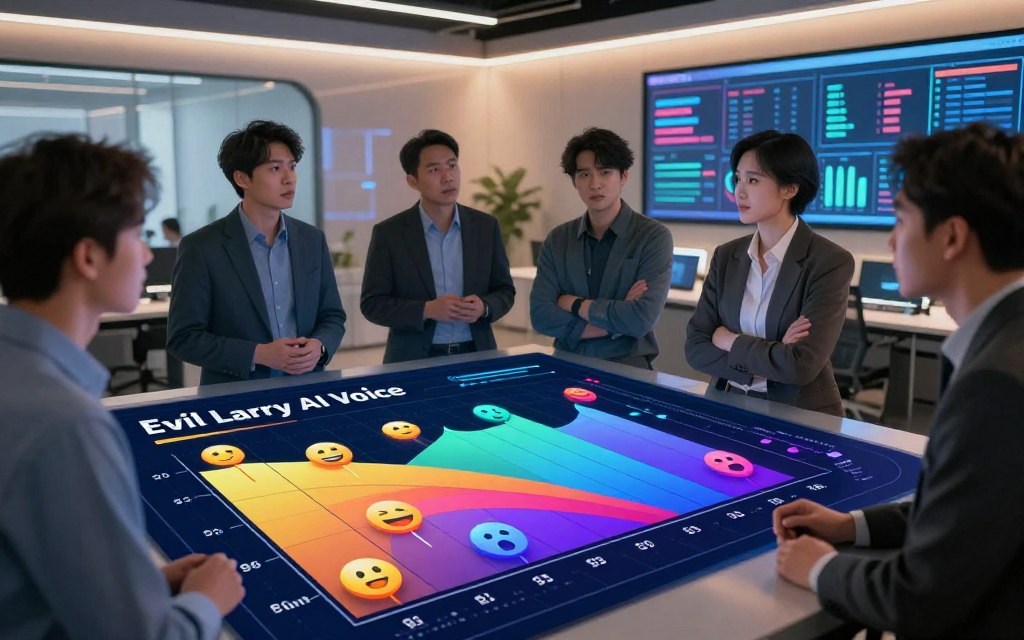
Looking at comments on TikTok, YouTube, and Reddit, we see a pattern. Many users feel uneasy. They say things like “This makes my skin crawl” or “Why does this feel so wrong?” They often talk about feeling a physical reaction to the voice’s odd tone and scary sound.
But, there are also many who are impressed. They see Evil Larry as a cool achievement in AI. They talk about the voice’s unique sound and how it’s made.
Then, there’s a group that loves it for the laughs. They make jokes, play games, and see Evil Larry as a funny villain. This group turns the scary voice into something fun and shared.
“I know it’s supposed to be scary, but I just want him to narrate my grocery list. It would make buying milk feel epic.”
The Line Between Disturbing and Entertaining
The voice is its own best feature. For some, it’s too much because it feels too real. It’s close enough to human to feel familiar, but its tone is off. This makes it great for horror, but not for everyday listening.
For others, this over-the-top evil is what makes it fun. The voice is so obvious that it becomes a joke. This AI persona is more like a cartoon villain. It lets people enjoy dark themes in a safe way.
This mix of reactions creates a dedicated fan base. Fans don’t just listen; they build stories around Evil Larry. They make memes, share tips, and celebrate its weirdness. This community finds joy in something others might find strange.
In the end, how people react depends on their own feelings. What scares one person might make another laugh. This keeps the AI persona in the spotlight, always sparking new conversations.
How to Access and Generate the Evil Larry AI Voice
To create the Evil Larry voice, you need to explore AI voice generation tools. Many platforms now let users make similar sounds. This guide will help you get started.
Tools, Software, and Websites for Voice Generation
There are three main ways to make a voice like Evil Larry. Each has its own level of control and quality.
Advanced Text-to-Speech Platforms like ElevenLabs, Play.ht, and Murf AI let you change voice settings. You can make the voice sound darker and more menacing.
AI Voice Modulators and Editors in Descript or Adobe Audition can change AI audio. By tweaking pitch and adding effects, you can make it sound like the viral sound.
Voice Cloning Software is the most advanced but also complex. Tools from Respeecher or Microsoft’s Vall-E can mimic a voice from a sample. This technology could clone Evil Larry’s voice if you have a good sample.

| Tool Type | Primary Function | Customisation Depth | Best For |
|---|---|---|---|
| Text-to-Speech Platforms | Generates speech from typed text | High (voice parameters, style, emotion) | Creating new content from scratch |
| Voice Modulators | Alters existing audio files | Medium (pitch, tone, effects) | Editing and refining pre-made AI audio |
| Voice Cloning Software | Replicates a specific voice sample | Very High (requires source audio) | Advanced projects with clear reference material |
A Guide for Aspiring Creators
Here are the basic steps to try making your own sinister AI voice.
- Select Your Tool: Pick a platform based on your skill level and what you want to achieve. Many offer free trials to start.
- Craft Your Text: Write the script you want to narrate. Dark humor or suspenseful words work well for a sinister tone.
- Adjust Key Parameters: Lower the pitch, slow down the speaking rate, and increase the vocal ‘roughness’ to get that eerie feel.
- Generate and Iterate: Make a short sample. Listen and tweak the settings to improve it.
- Test in Context: Use your audio in a short video or audio clip. This helps you see how it fits with visuals or other sounds.
Important Limitations and Usage Tips
While the tech is available, there are key things to remember. Knowing these will help you create better and responsibly.
A big limitation is audio quality. Free versions of AI voice generator services might sound lower quality. For a professional sound, you might need to pay.
Getting good at customising can take time. It requires patience and a good ear for adjusting prosody and emotion. Also, most platforms have strict terms of service against harmful or misleading content.
Here are some tips for using the voice responsibly:
- Credit the Trend: When sharing, give credit to the Evil Larry meme. This shows respect for the community.
- Start Simple: Begin with basic customisation before trying complex voice cloning. Mastering the basics gives you more control.
- Prioritise Context: The voice works best with the right content. Horror narration or parody fits its viral origins well.
- Avoid Misuse: Don’t use the voice to impersonate people, spread false information, or harass. This avoids ethical issues.
Creating a convincing sinister AI voice is about technical skill and creativity. By using the right tools wisely, you can explore this exciting area of synthetic media ethically.
Ethical Quandaries and the Darker Implications
The rise of Evil Larry voice is more than just a meme. It highlights deep ethical questions in AI-generated content. What starts as fun can reveal the thin lines of our digital selves. This part explores the serious issues behind the playful use of synthetic media.
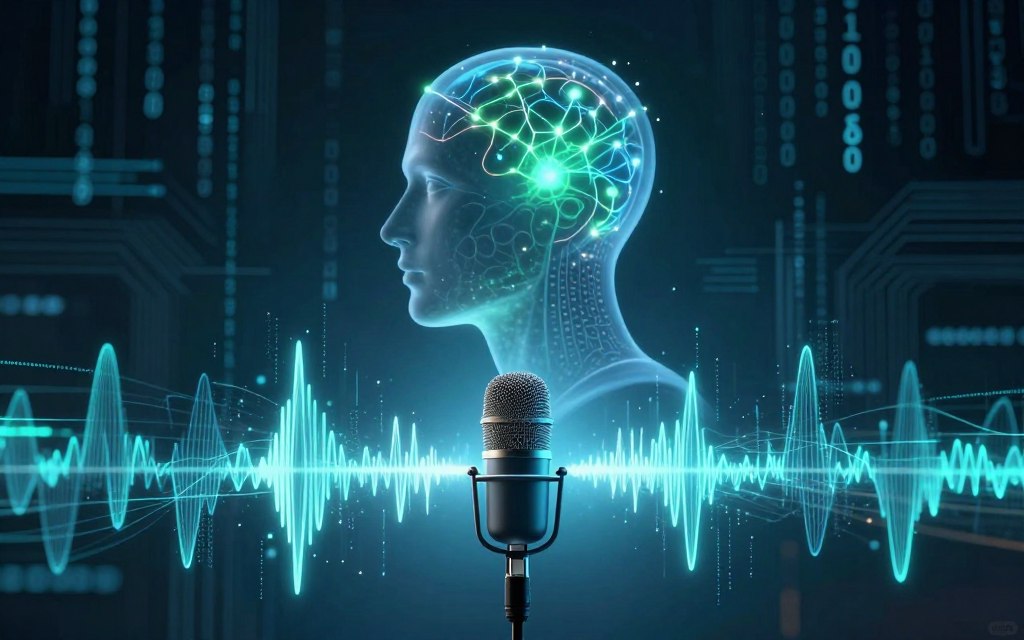
Voice Cloning, Consent, and Identity Theft Concerns
The tech behind Evil Larry is both powerful and risky. Modern systems can mimic a human voice with just a few minutes of audio. This raises big questions about consent.
Without knowing, people can have their voice cloned. This opens up a real threat of audio-based identity theft. Imagine someone using your voice for:
- Authorising fake financial deals over the phone.
- Making false statements that harm your reputation.
- Harassing friends or family with your voice.
This isn’t just a story. As ethical AI voice tech advances, laws struggle to keep up. The tools that help creators also help those with bad intentions. It’s hard to tell a clever parody from a harmful impersonation.
The Potentia for Misinformation and Malicious Use
The dark side of voices like Evil Larry goes beyond personal issues. Synthetic media can spread false information. Deepfake audio can make it seem like public figures said things they didn’t.
This can cause trouble in many ways:
- Political Disinformation: Making it seem like a politician said something they didn’t.
- Corporate Sabotage: Faking a CEO’s announcement to mess with stock prices.
- Personal Harassment: Creating threatening messages in someone’s voice.
It’s hard to spot fake audio. Our trust in what we hear is shaken. This makes it tough for journalists, investigators, and the public.
Navigating the Blurred Line Between Fun and Harm
The big question is how to handle a tech that’s used for both fun and harm. Banning ethical AI voice is not practical and limits creativity.
We need a balanced approach. Platforms should have rules to tell apart parody and abuse. We also need to teach people about deepfake audio. Developers should add safety features, like watermarks, to synthetic content.
The biggest challenge is not making the tech, but using it wisely.
Evil Larry’s story is a warning. It makes us think about consent, truth, and harm online. Enjoying the creepy side of it means we must face the real issues it raises.
Beyond Evil Larry: The Landscape of Viral AI Voices
AI voice tech has brought us many viral hits. But Evil Larry stands out for its unique, chilling vibe. To grasp its impact, we must explore the wide world of AI voices. This world includes voices that are comforting, funny, and everything in between.
Comparing Other Notable AI Voice Sensations
Evil Larry’s voice is unlike others in the viral AI voice world. These voices often meet a need for creators and listeners. They can be soothing or entertaining, depending on the situation.
- The Friendly Narrator: Voices like “Microsoft David” and “Google Wavenet” are everywhere. They’re calm and perfect for videos and corporate stuff. But, when used in funny ways, they become viral hits.
- The Celebrity Impersonator: AI can mimic famous voices, making them trend. Imagine Morgan Freeman in a weird situation or Joe Biden with a quirky message. These clips are fun because they’re unexpected.
- The Absurdist Character: Some voices are famous for being weird. The “Text-to-Speech” voice is a great example. It’s used in memes to add to the weirdness, creating a shared joke.
Evil Larry is different. It’s not friendly, familiar, or just weird. It’s made to make you feel uneasy. This unique feeling grabs people’s attention in a big way.
What Makes “Sinister” a Uniquely Viral Category?
Creepy AI voices like Evil Larry are popular for a reason. The scary vibe fits well with how we enjoy digital content today.
First, it taps into our love for horror. A spooky voice can make any text feel scary. This lets creators turn everyday things into something eerie, using fear as a common language.
Second, it offers a safe scare. Hearing a scary AI voice from your phone is thrilling but safe. This controlled fear is fun to share, bringing people together in a fun way.
Also, the sinister voice fits perfectly with internet weirdness and dark humour. Mixing a scary voice with funny or normal lines is both clever and memorable. It encourages people to create and share their own versions.
Lastly, a distinct voice like Evil Larry stands out in a crowded online world. While friendly voices blend in, a scary voice grabs your attention. This makes it memorable and helps it spread, keeping it a beloved part of online culture.
The Future of AI Personas and Synthetic Media
The Evil Larry phenomenon shows us a bright future for AI personas. It’s not just a moment; it’s a sign of synthetic media growing up. This technology is becoming a key part of how we express ourselves and interact.
What started as a creepy voice is now a world of digital characters. These characters are getting more real, emotional, and part of our daily lives. Soon, they’ll be in longer, more immersive experiences.
Where Could AI Voices Like Evil Larry Evolve Next?
AI voices like Evil Larry will soon be more interactive. Imagine them talking to you, like a chatbot or a character in a game. This will make entertainment even more personal and scary.
Future developments will focus on:
- Hyper-Realistic Customisation: You’ll be able to adjust everything from pitch and speed to emotional tone and accents. This will help create the perfect sinister voice.
- Platform Integration: Social media and content tools might include libraries of viral AI voices. This will make it easier for creators and speed up trends.
- Dynamic Story Engines: AI voices could work with story algorithms to create unique, audio-led horror stories on demand.
This change turns a static audio clip into a dynamic partner. The voice can adapt, respond, and even learn from you.
Broader Cultural and Technological Impacts
The rise of characters like Evil Larry makes us think about synthetic media power. As these voices sound more human, we question what’s real. A cultural expert said:
“We’re entering a time where voices can’t always be trusted as human. This changes how we trust communication.”
This change affects us in many ways:
- New Narrative Forms: Online stories can now have consistent AI characters. This could lead to stories where an AI like Evil Larry is the narrator.
- Blurred Lines of Ownership: Who owns a viral AI persona? The lines between creator, platform, and community get mixed, raising questions about money and rights.
- Democratisation of Production: Voice acting is no longer a barrier for indie creators. This could make media more diverse.
The story of Evil Larry shows us something important. The future of synthetic media is not just about making things seem real. It’s about creating new ways for humans to be creative, connect, and share stories, even the scary ones.
Conclusion
The evil larry ai voice has shown us how synthetic media can go viral. It started as a simple text-to-speech tool but became a unique internet character. This happened because people saw it in their own way and used it creatively.
It went from being just a tool to a well-known villain. The way it sounded, with its pitch and cadence, made it seem eerie. People’s curiosity and the way platforms like TikTok and YouTube work helped it spread fast.
It’s been used in horror stories and parodies, showing its versatility. But, there are also worries about using AI voices in the wrong way. The evil larry ai voice is both entertaining and a warning about the power of AI.
This viral sensation tells us a lot about how we’re changing with artificial voices. It shows how the internet can give life and stories to sounds made by machines. As AI becomes more common, we’ll see more like this, changing our online world.


 By
By
 By
By